PUF: the hardware root
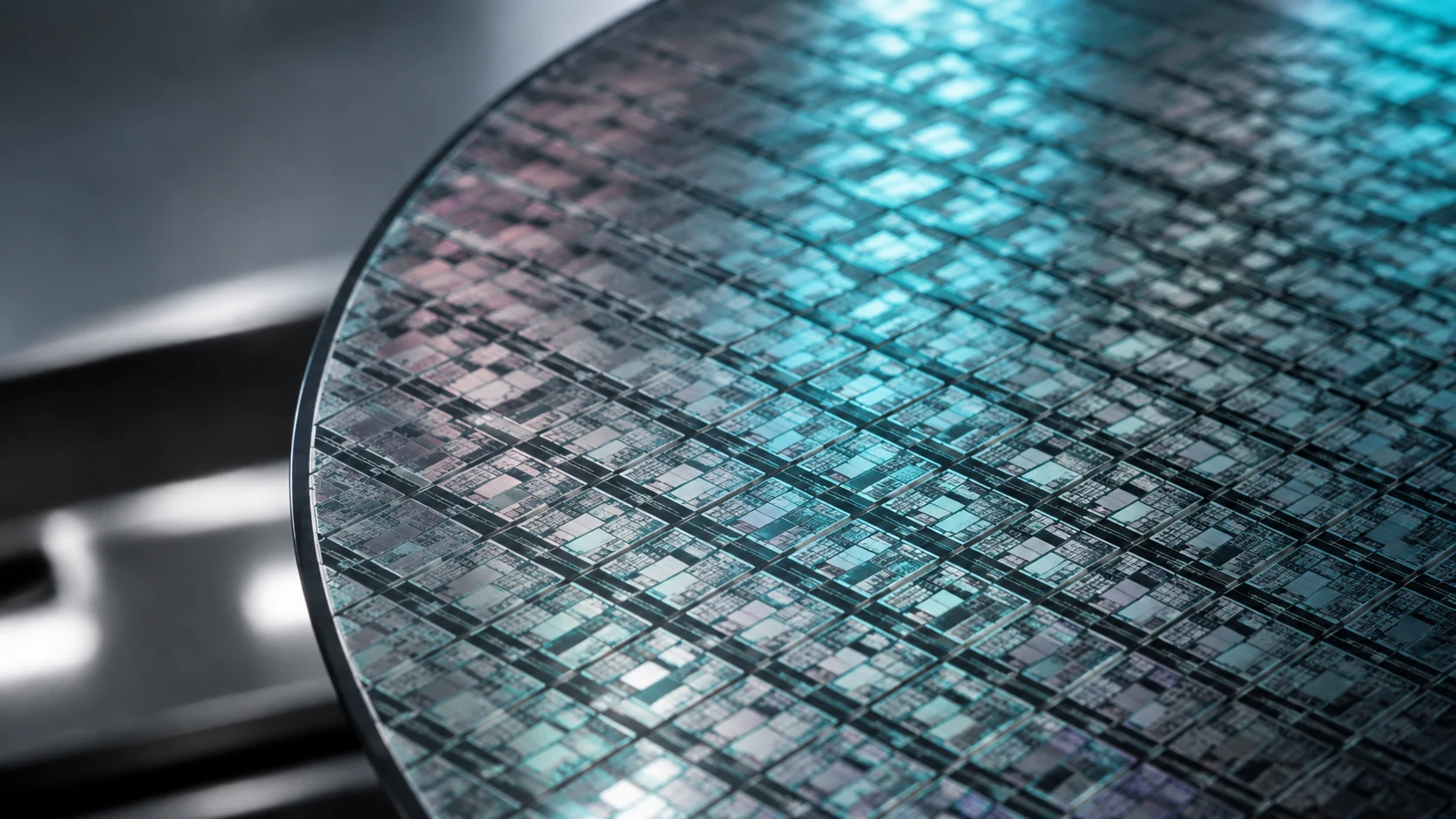
Microscopic differences in manufactured transistors and wiring create device-specific electrical behavior. IIST measures a logic-based PUF cell and maps its response into stable and changing digital states.

Hardware root of trust
A device identifier names a device. Cryptographic identity lets a device prove possession of a key. Dynamic PUF provides the physical foundation for recovering device-specific root keys.
Microscopic differences in manufactured transistors and wiring create device-specific electrical behavior. IIST measures a logic-based PUF cell and maps its response into stable and changing digital states.
Recover root keys when required using the physical entropy source and associated checkpoint data.
ACC recovery ↗Give system, firmware, maintenance, OEM and applications separate cryptographic roots.
Multiple roots of trust ↗Device authentication also needs protocols, credential management and verification policies. IIST works with your team to connect the PUF foundation to your product architecture.
Define trust domains, key lifecycles and secure operations for your device, system or service.
Choose an integration path ↗Verify users, devices and operations through explicit access policies, supported by hardware identity.
Connect hardware trust to your service ↗PUF anchors keys in hardware; post-quantum cryptography addresses algorithms. They serve complementary roles. PQC support depends on the selected platform and implementation.
PUF, PQC and zero trust. ↗Start a conversation
Tell us what you are securing. We will map the right path from evaluation hardware to customized silicon IP.