Single-root architecture
One root key
System security
Boot & firmware
Maintenance
OEM & ODM
Applications
All domains depend on the same root.

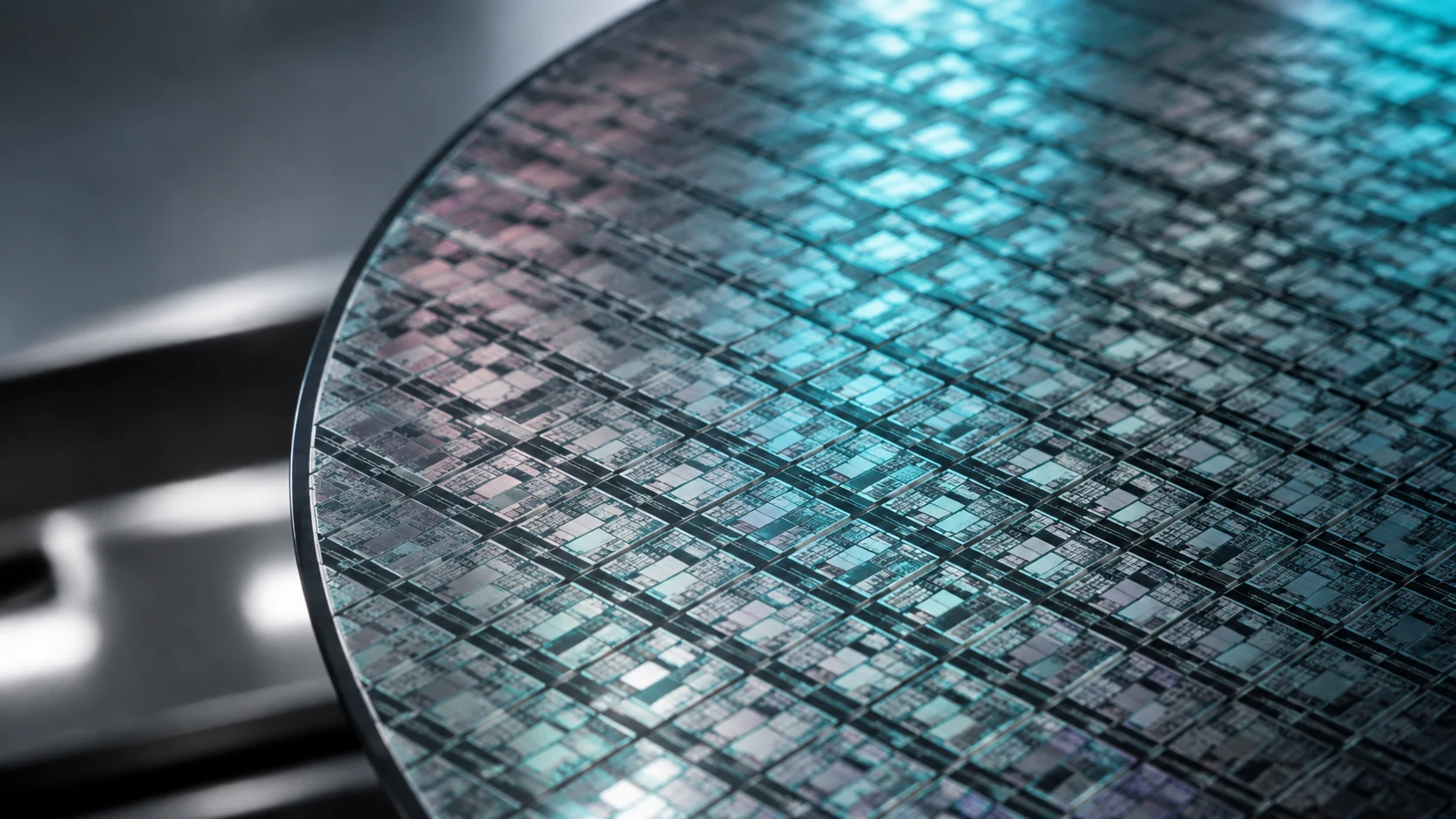
This technology is developed through expert custom silicon design: IIST engineers security circuits that semiconductor teams can integrate into their own chips.
01Physical entropy
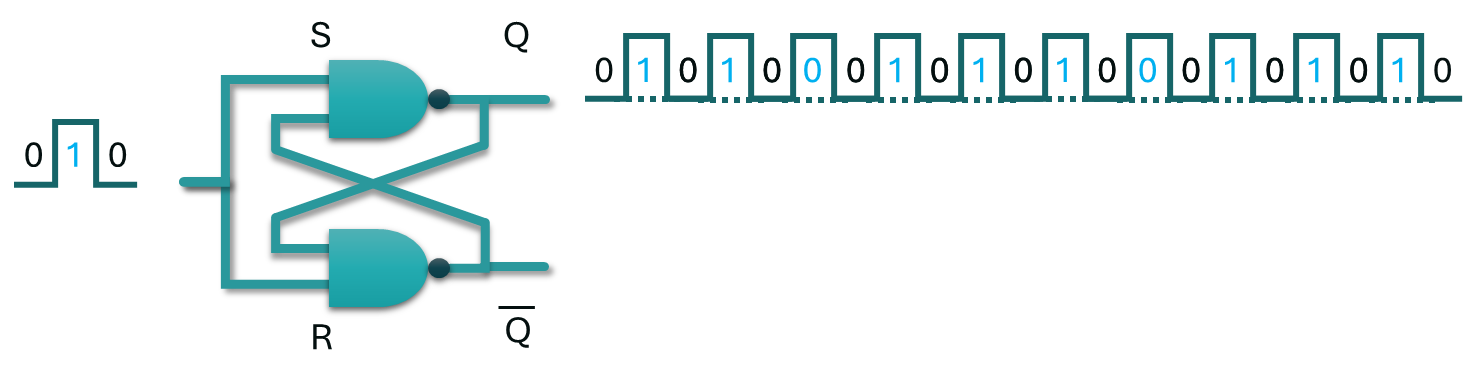
Microscopic differences in manufactured transistors and wiring create device-specific electrical behavior. IIST measures a logic-based PUF cell and maps its response into stable and changing digital states.
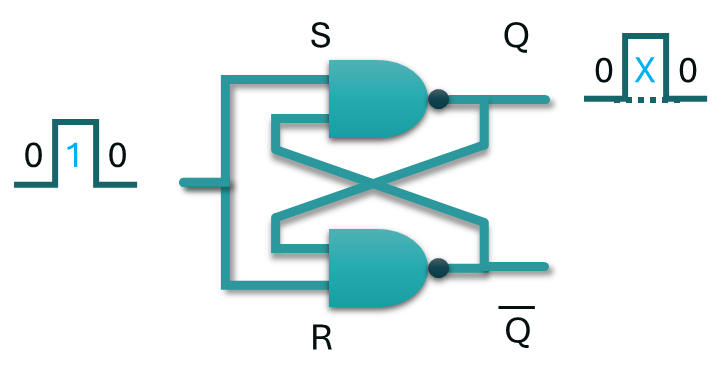
A trigger initiates a measurement of the physical circuit.
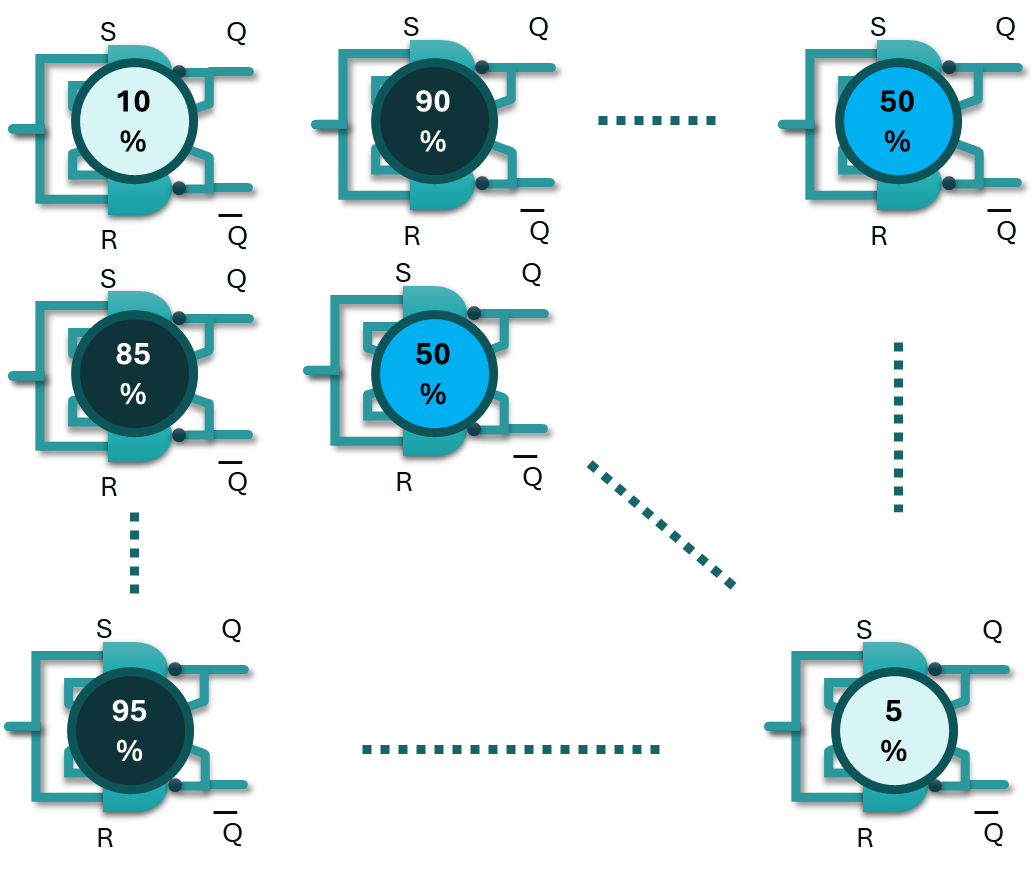
Repeated measurements reveal each cell’s behavior.
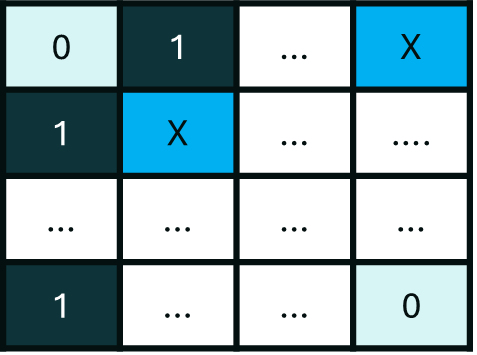
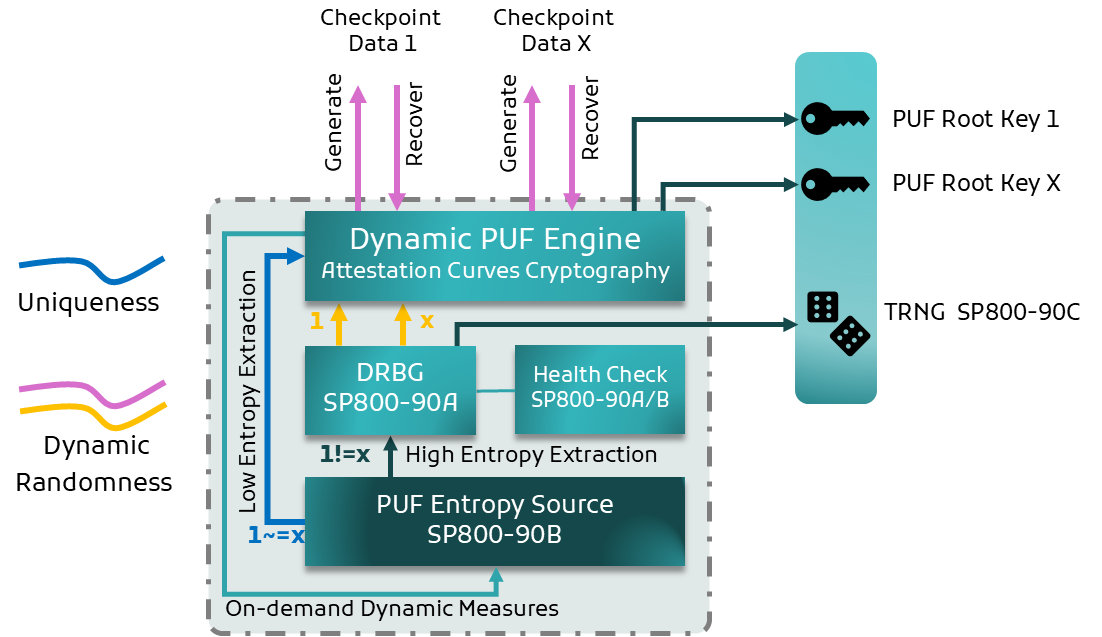
Stable patterns support key recovery; changing states supply random entropy.
Input to ACC for root-key generation and recovery.
Physical entropy for true random seeds and repeated reseeding.
02Dynamic PUF
IIST’s entropy source uses logic gates in a latch cell measured by an impulse or clock-like trigger. The same source can be sampled again throughout the device lifecycle.
Its combination of relatively steady behavior and physical randomness supports both recovery of existing roots and generation of new random seeds.
03Attestation Curve Cryptography
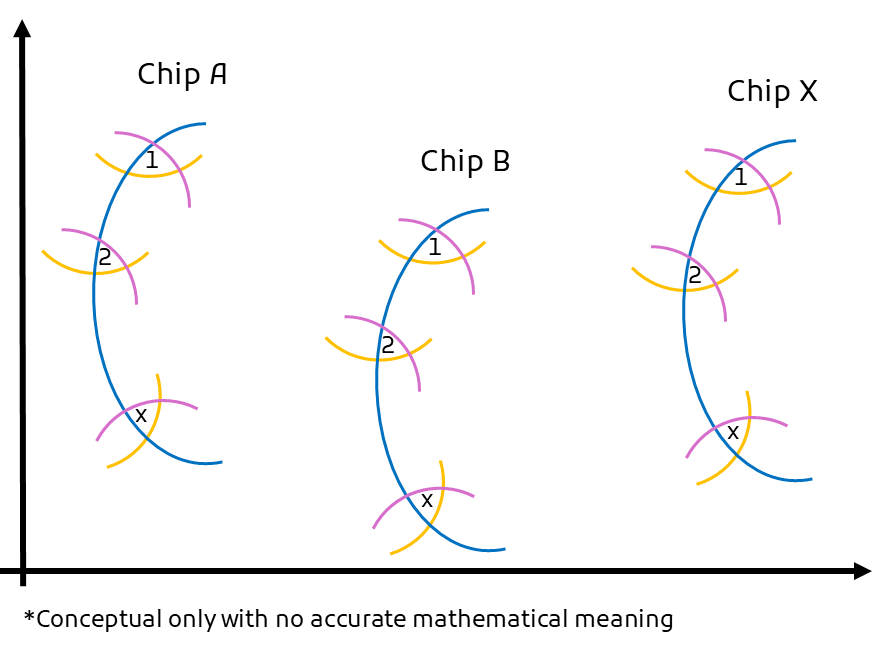
ACC acts as a proprietary fuzzy-extraction method. It combines mathematical curves with the measured PUF response to recover the uniquely associated root key, despite variation in individual measurements.
Create checkpoint data associated with a root key.
Reload the checkpoint and measure the PUF again to recover that root.
Incorporate external inputs such as a password or chip identifier into the recovery relationship.
04Multiple roots of trust
A root of trust anchors cryptographic keys. When all domains depend on one master key, compromise of that root can affect every dependent domain. Dynamic PUF supports separate roots from the same entropy source.
Single-root architecture
All domains depend on the same root.
IIST Dynamic PUF
Each domain has its own cryptographic root and lifecycle.
Designed for real silicon
Recover root keys when required using the physical entropy source and associated checkpoint data.
Give system, firmware, maintenance, OEM and applications separate cryptographic roots.
Trigger the logic-cell entropy source throughout the lifecycle, independently of power cycles.
Use the changing component of the physical response for random seeds and DRBG reseeding.
Bind root-key recovery to an external password, chip identifier or ownership relationship through ACC.
Port the logic-based cell to a target process while retaining the process-independent ACC method.
Intellectual property
Explore selected public patent records listing Intelligent Information Security Technology Inc. as assignee.
Electronic system of PUF-based root key entanglement with multiple digital input sequences and root key extractor
Read patent record ↗US 12,149,641 B2Circuit apparatus and methods for PUF source and generating random digital sequence
Read patent record ↗US 12,244,740 B2Integrated circuit for adaptive PUF stabilization process
Read patent record ↗US 12,316,787 B2Device with multiple hardware signatures from a single PUF circuit source and related methods and applications
Read patent record ↗How the pieces fit
Device-specific keys and entropy give cryptographic operations a physical foundation.
Post-quantum key establishment and signatures address the cryptographic layer. Support depends on the selected implementation.
Explore SASP options ↗Verify users, devices and operations through explicit access policies, supported by hardware identity.
Explore integration ↗Start a conversation
Tell us what you are securing. We will map the right path from evaluation hardware to customized silicon IP.